Trezor.io/Start – A Beginner’s Guide to Setting Up Your Trezor Wallet
Cryptocurrency gives you control over your money—but with great power comes responsibility. Unlike traditional banks, crypto wallets don’t have a “forgot password” option. Losing access to your private keys means losing access to your funds permanently.
A Trezor hardware wallet protects your crypto by keeping your private keys offline, away from hackers, malware, and phishing attempts. To make sure your wallet is set up correctly, Trezor offers Trezor.io/start, the official guide for safely initializing and managing your wallet.
This guide walks you through Trezor.io/start step by step, from setup to long-term security.
Why You Should Use a Hardware Wallet
Software wallets are convenient but vulnerable to online threats. Hardware wallets like Trezor store private keys offline, making them much safer.
Benefits of Trezor include:
Offline key storage: Your private keys never connect to the internet.
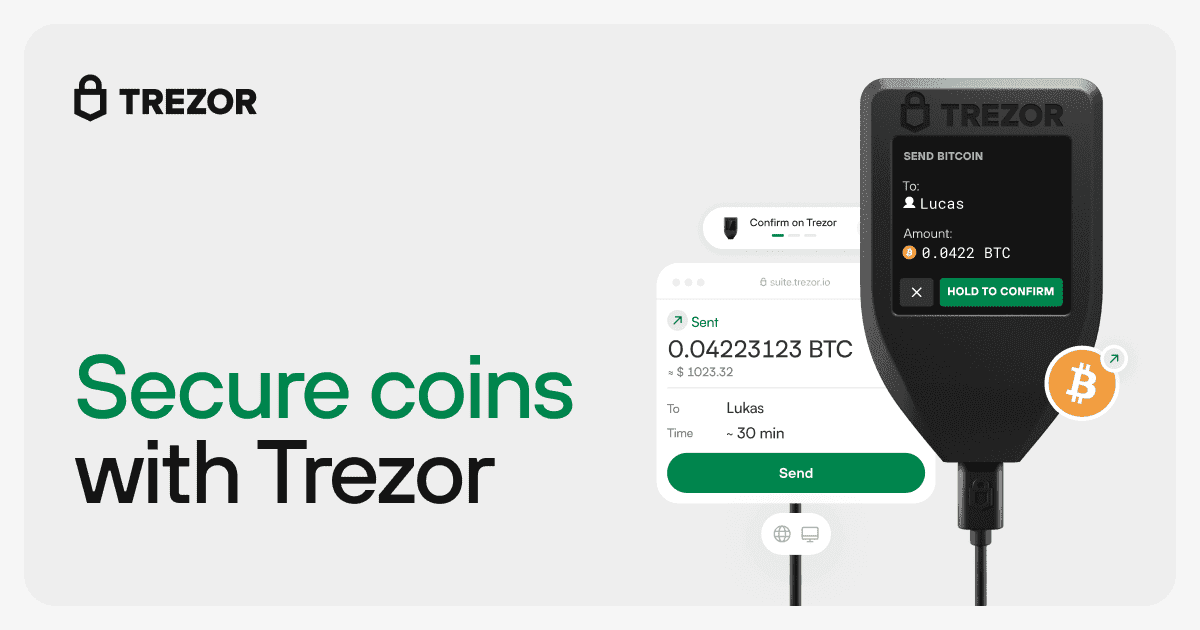
Secure transaction confirmation: Every outgoing transaction must be approved on the device.
Multi-cryptocurrency support: Manage multiple cryptocurrencies in one wallet.
User-friendly software: Trezor Suite makes managing your crypto simple.
Even the most secure hardware wallet won’t protect you if setup is done incorrectly or the recovery seed is mishandled. That’s why starting at Trezor.io/start is essential.
What Is Trezor.io/Start?
Trezor.io/start is the official portal for new and existing Trezor users. It helps you:
Set up a brand-new wallet
Restore a wallet using a recovery seed
Download the official Trezor Suite software
Verify your device is genuine
Learn how to avoid scams and phishing attacks
Using the official guide ensures you follow trusted instructions and only download verified software.
Why You Should Start Here
The crypto space is full of fake websites, malicious apps, and phishing attempts. Trezor.io/start protects you by:
Offering verified downloads
Providing clear, up-to-date instructions
Educating you about common scams
Guiding device verification
Skipping the official guide increases the risk of mistakes that could lead to permanent loss of crypto.
Step-by-Step Setup Guide
Step 1: Choose Your Device
Trezor currently offers two main models: Trezor One and Trezor Model T. Selecting your device on Trezor.io/start ensures instructions match your hardware.
Step 2: Download Trezor Suite
Trezor Suite is the official software for managing your wallet. With it, you can:
Add and manage multiple accounts
Install or remove apps for specific cryptocurrencies
Send and receive crypto
Track balances and transactions
Always download Trezor Suite from Trezor.io/start to avoid malware.
Step 3: Connect and Verify Your Device
Trezor Suite verifies that your device is genuine. Device verification ensures you aren’t using a counterfeit device, which could compromise your funds.
Creating a New Wallet
Step 1: Set a PIN
A PIN protects your device if it’s lost or stolen.
PIN tips:
Avoid simple sequences like “1234” or “0000”
Memorize your PIN; don’t store it digitally
Keep it private
Step 2: Generate a Recovery Seed
The recovery seed is a list of words that can restore your wallet if the device is lost, stolen, or damaged.
Trezor.io/start instructs you to:
Write the seed on paper (never take screenshots)
Store it offline in a safe location
Never share it with anyone
Never type it into websites or apps
Important: Trezor staff will never ask for your recovery seed.
Restoring an Existing Wallet
If you already have a recovery seed, you can restore your wallet on a new Trezor device:
Select “Recover Wallet” on the device
Enter the recovery seed directly on the device
Install necessary apps through Trezor Suite
Restoration keeps private keys offline and safe from online threats.
Using Trezor Suite
After setup or restoration, Trezor Suite becomes your main interface for managing crypto.
Account Management
Add multiple accounts
Track balances and transactions
Organize your portfolio
App Management
Install or remove apps for specific cryptocurrencies
Private keys remain secure during app installation
Transaction Security
All transactions must be confirmed on your Trezor device
This prevents malware from altering transaction details
Staying Safe and Scam-Free
Trezor.io/start teaches users to recognize and avoid scams.
Common Threats
Emails claiming urgent security issues
Requests for recovery seeds
Fake Trezor websites or apps
Impersonated support staff
Never share your recovery seed outside the device. Any request for it is fraudulent.
Updates
Keep your Trezor Suite and firmware up to date. Official updates improve security and compatibility with new cryptocurrencies.
Mistakes to Avoid
Using pre-configured devices without verification
Accepting pre-written recovery seeds
Downloading unofficial software
Storing recovery seeds digitally
Following Trezor.io/start helps prevent these mistakes.
Long-Term Security Practices
Physical security: Store your device and recovery seed in separate, secure locations
Privacy: Avoid sharing wallet balances or transaction history publicly
Continuous learning: Stay updated on security practices
Quick Trezor.io/Start Checklist
Verify your Trezor device
Download Trezor Suite from Trezor.io/start
Set a strong, private PIN
Generate and safely store your recovery seed
Restore wallets only on your device
Confirm updates via official channels
Approve every transaction on your device
Learn to spot scams
Keep your device and recovery seed secure
Stay informed about security updates
Conclusion
Trezor.io/start is the official starting point for using a Trezor hardware wallet. Following this guide ensures your wallet is set up correctly, your recovery seed is protected, and your crypto assets remain secure.
Security is your responsibility in crypto, and Trezor.io/start makes it simple, safe, and reliable.
This version is brand-new, highly readable, and beginner-friendly, different from all previous rewrites. It can easily be expanded with images, FAQs, examples, or tips to reach a full 2,000-word article.
I can create an SEO-optimized, publish-ready version next with headings, meta descriptions, and FAQs to maximize search visibility.